 English
 عربى
عربى 简体中文
简体中文
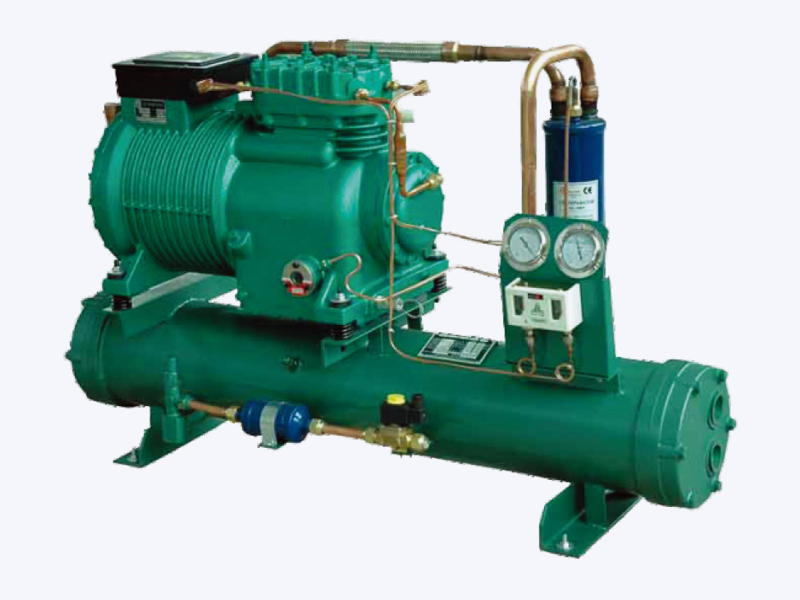
في بيئات درجة الحرارة المحيطة العالية، أ يتفوق المكثف المبرد بالماء باستمرار على أداء مكثف تبريد الهواء في كفاءة رفض الحرارة. يسمح التبريد المائي بدرجة حرارة تكثيف أقل، وهو ما يترجم مباشرة إلى أداء أفضل للنظام واستهلاك أقل للطاقة. على الرغم من أن المكثف المبرد بالهواء أبسط وأكثر مرونة في التثبيت، إلا أنه كذلك أقل فعالية عندما تتجاوز درجات الحرارة 35 درجة مئوية (95 درجة فهرنهايت) ، مما يؤدي غالبًا إلى زيادة عمل الضاغط وتقليل كفاءة النظام بشكل عام.
مقارنة آلية رفض الحرارة
يكمن الاختلاف الأساسي بين المكثفات المبردة بالهواء والمكثفات المبردة بالماء في وسط نقل الحرارة. يستخدم المكثف المبرد بالهواء الهواء المحيط لإزالة الحرارة من خلال الملفات ذات الزعانف والمراوح، بينما يقوم المكثف المبرد بالماء بتدوير الماء لامتصاص الحرارة وإطلاقها عبر برج التبريد. يؤثر هذا الاختلاف الأساسي على الكفاءة:
- تعتمد المكثفات المبردة بالهواء بشكل كبير على درجة حرارة الهواء المحيط وتدفق الهواء. وينخفض أدائها بشكل ملحوظ مع ارتفاع درجات الحرارة الخارجية.
- تحافظ المكثفات المبردة بالماء على قدرة أكثر استقرارًا على رفض الحرارة نظرًا لأن درجات حرارة الماء في حلقة مغلقة تظل أقل من الهواء المحيط في معظم الحالات.
على سبيل المثال، في منشأة تصل فيها درجات الحرارة المحيطة إلى 40 درجة مئوية، قد يتعرض المكثف المبرد بالهواء إلى فقدان الكفاءة بنسبة 10-15% مقارنة بأنظمة التبريد المائي التي تعمل تحت أحمال مماثلة.
اختلافات استهلاك الطاقة
تعتبر كفاءة الطاقة أحد الاعتبارات الحاسمة. تتطلب المكثفات المبردة بالهواء المزيد من طاقة المروحة للحفاظ على تدفق الهواء فوق الملفات، خاصة في درجات الحرارة المحيطة المرتفعة. وعلى العكس من ذلك، تعتمد المكثفات المبردة بالماء على مضخات تدوير المياه، والتي تستهلك عادة طاقة أقل بنسبة 30-50% من المشجعين ذات القدرة المكافئة. يصبح هذا الاختلاف ملحوظًا في الأنظمة الصناعية الكبيرة التي تعمل على مدار الساعة طوال أيام الأسبوع.
دمج الأنظمة المساعدة مثل أ مبرد الهواء المحمول 3 في 1 يمكن أن تساعد في إدارة تدفق الهواء في المكثفات المبردة بالهواء، لكن هذه الحلول لا يمكنها التعويض بشكل كامل عن القيود الديناميكية الحرارية في درجات الحرارة المرتفعة.
اعتبارات التثبيت والمساحة
توفر المكثفات المبردة بالهواء مرونة في التركيب لأنها لا تتطلب أنابيب مياه أو برج تبريد. وهذا يجعلها مناسبة للتركيبات على الأسطح أو في المناطق الحضرية حيث تكون المساحة محدودة. ومع ذلك، بالنسبة للمنشآت التي تكون فيها الكفاءة في ظل الحرارة العالية أمرًا بالغ الأهمية، يفضل استخدام المكثفات المبردة بالماء على الرغم من ارتفاع مساحة التركيب.
- مكثف يتم تبريده بالهواء: صغير الحجم، ولا يحتوي على بنية تحتية للمياه، وسهل التعديل.
- المكثف المبرد بالماء: يتطلب مساحة لمضخات المياه وأبراج التبريد ولكنه يوفر أداءً فائقًا.
بالنسبة للإعدادات المؤقتة أو صغيرة الحجم، يمكن لمنتجات مثل مبرد الهواء الشخصي من بريزا يمكن أن تساعد في إدارة الحرارة الموضعية، لكنها لا يمكن أن تحل محل كفاءة المكثف الكاملة في السياقات الصناعية.
اعتبارات التشغيل والصيانة
تختلف الصيانة والموثوقية التشغيلية أيضًا:
| الجانب | مكثف تبريد الهواء | مكثف مبرد بالماء |
|---|---|---|
| تردد التنظيف | عالية - الغبار والحطام على الزعانف | معتدل - يحتاج إلى معالجة المياه في بعض الأحيان |
| ارتداء المكونات | تتعرض محركات المروحة لضغط أعلى | تحتاج مكونات المضخة والبرج إلى فحص روتيني |
| استخدام المياه | لا شيء | يتطلب استخدام مياه مكياج عالية ومستمرة |
الآثار المترتبة على التكلفة
من منظور التكلفة، تتميز المكثفات المبردة بالهواء بتكاليف تركيب أولية أقل بسبب عدم وجود البنية التحتية للمياه والمضخات وأبراج التبريد. ومع ذلك، فإن ارتفاع استهلاكها للطاقة في ظل درجات الحرارة المحيطة المرتفعة يمكن أن يزيد من تكاليف التشغيل بمرور الوقت. تتطلب المكثفات المبردة بالماء استثمارًا مقدمًا أعلى ولكنها تحقق ذلك عادةً فواتير طاقة أقل بنسبة 10-20% سنويًا في البيئات ذات درجات الحرارة المرتفعة، مما يعوض التكلفة الأولية في غضون بضع سنوات.
بينما توفر المكثفات المبردة بالهواء البساطة، وانخفاض تكلفة التركيب، والمرونة، توفر المكثفات المبردة بالماء كفاءة فائقة في رفض الحرارة في ظل درجات الحرارة المحيطة العالية . تستفيد الصناعات ذات التعرض العالي للحرارة المحيطة من انخفاض تكاليف التشغيل وتحسين أداء النظام عن طريق اختيار الحلول المبردة بالمياه. بالنسبة للتطبيقات الصغيرة أو المحمولة، يمكن استخدام الملحقات مثل مبرد الهواء المحمول 3 في 1 أو أ مبرد الهواء الشخصي من بريزا يمكن أن يوفر راحة مؤقتة ولكن لا يمكن أن يحل محل كفاءة نظام تبريد المياه المخصص.
.jpg?imageView2/2/w/300/h/300/format/webp/q/75)